

The 3 Things Your Baby Needs Before Sleep Training Can Work
Sleep is not something we force. It is something we build. Before expecting longer nights, we need to create the conditions that make sleep possible.
As a mom and a pediatric sleep consultant, I know how heavy the words “sleep training” can feel. For many parents, it brings fear, doubt, and pressure. I want to gently shift that perspective. Sleep is not about fixing your baby. It is about supporting their biology and their sense of safety.
Before we expect independent sleep or longer stretches, there are three foundational pieces that need to be in place. When these are present, sleep becomes easier. Not perfect, but easier.
1. Safety, the true starting point
Before anything else, sleep must be safe. Following the ABC guidelines, alone, on their back, in a crib, reduces risk and supports peace of mind. Research from the American Academy of Pediatrics continues to show that safe sleep environments significantly reduce sleep related risks.
But safety is not only physical. It is emotional too. When you feel confident in your baby’s sleep space, your own nervous system softens. And that matters more than most people realize.
- Firm, flat sleep surface
- No loose blankets or pillows
- Consistent sleep space when possible
2. The science of connection and co regulation
Your baby is not designed to regulate alone. Their nervous system depends on yours. This is called co regulation. When you are calm, they feel it. When you are stressed, they feel that too.
Studies in developmental neuroscience show that caregiver responsiveness supports emotional regulation and lowers stress levels in infants. This directly affects how easily a baby can fall asleep and stay asleep.
This is why rushing into independence too early can backfire. A baby who feels secure settles more easily. A baby who feels unsure resists sleep.
3. Consistency over perfection
This is where so many parents feel stuck. The idea that every day has to look perfect creates pressure that is impossible to maintain.
In reality, babies need predictability, not perfection. A consistent rhythm helps their internal clock align with the day. Research from 2025 shows that repeated routines improve sleep onset and reduce night wakings over time.
- Same general bedtime window
- Repeatable bedtime cues
- Flexible days with consistent anchors
The Bigger Picture
Sleep is a developmental skill. It is learned over time, just like crawling or eating. It needs the right environment, the right timing, and gentle guidance.
When you focus on safety, connection, and consistency, everything shifts. You are no longer forcing sleep. You are supporting it.
And that is where real change begins.
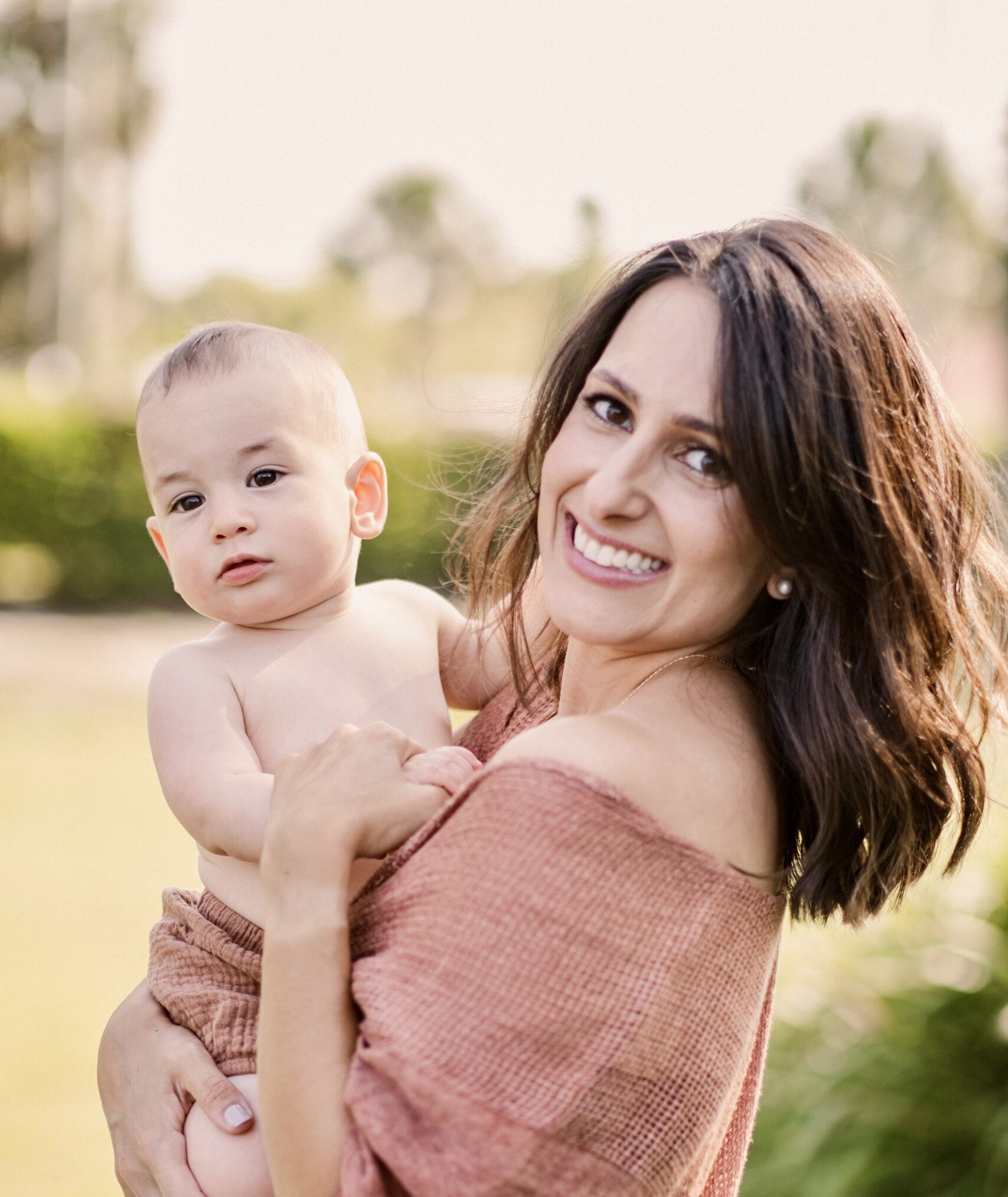
About Mariana Yancik
American Academy of Pediatrics (2024). Safe Sleep Guidelines.
Feldman, R. (2025). Parent infant co regulation and development.
Mindell, J. A. et al. (2025). Sleep routines and infant sleep outcomes.