
How to Help Your Baby Nap Better Without Stress or Pressure
Short naps can feel defeating. But most of the time, they are not a sleep problem. They are a communication.
If there is one thing parents talk to me about the most, it is naps. Thirty minute naps. Naps that only happen in arms. Naps that disappear the moment the baby touches the crib.
As a mom, I remember staring at the monitor, hoping this nap would be different. As a sleep consultant, I now see naps as information, not failure.
Why Naps Feel So Hard
Daytime sleep is lighter than night sleep. Babies wake more easily, process more stimulation, and have less sleep pressure during the day. Research published in 2024 confirms that infant naps are more sensitive to timing and environment than nighttime sleep.
This means short naps are often developmental, not behavioral.
The Most Common Reasons Naps Fall Apart
- Wake windows that are slightly too long or too short
- Overstimulation before sleep
- An environment that feels too bright or unpredictable
- Inconsistent nap cues
None of these mean your baby cannot nap better. They simply show where support is needed.
What Science Tells Us About Better Naps
Studies from 2025 highlight the role of nervous system regulation in infant sleep. Babies who experience calm, predictable wake times are more likely to transition into longer nap cycles.
This is why engagement during wake windows matters. A baby who feels connected and regulated during the day often rests more deeply.
Simple Ways to Support Longer Naps
- Watch your baby’s cues more than the clock
- Lower stimulation fifteen minutes before nap time
- Use a consistent nap routine, even if it is short
- Protect the sleep environment with darkness and steady sound
Research consistently shows that predictability supports sleep. Your baby learns what comes next through repetition.
A Mom Perspective
Once I stopped trying to force naps and started supporting rhythm, naps improved. Not overnight. But steadily. And just as importantly, my anxiety decreased.
Naps are not a test of your parenting. They are part of a learning process for both of you.
About Mariana Yancik
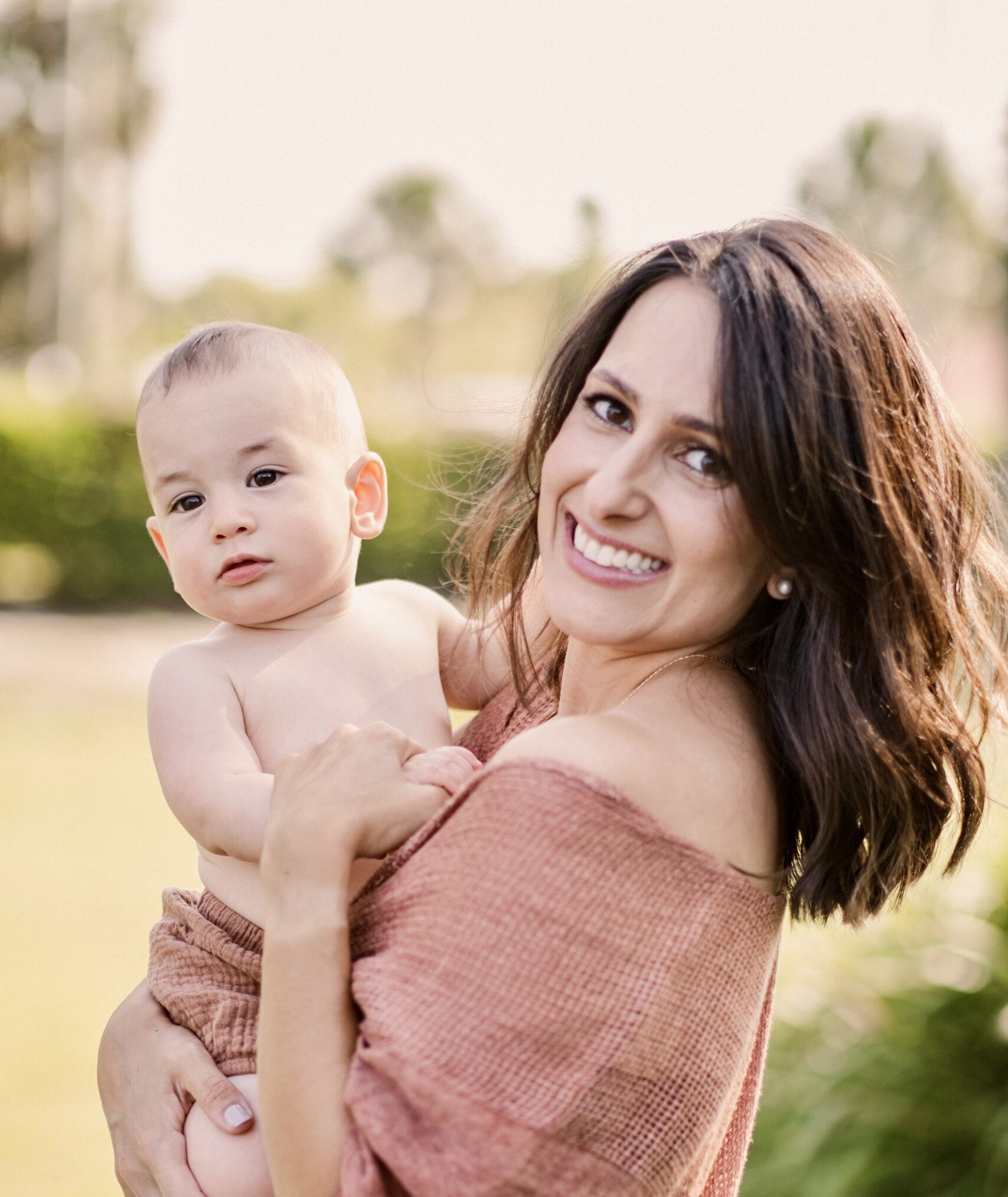
Mariana Yancik is a pediatric sleep consultant, newborn care specialist, and mom. She helps families improve naps and night sleep using gentle, evidence based strategies that respect emotional development and real life parenting.
Mindell, J. A. et al. (2024). Daytime sleep regulation in infants. Sleep Health.
Feldman, R. (2025). Nervous system regulation and sleep development. Developmental Neuroscience.