

Why Keeping Your Baby Engaged Matters More Than You Think
Engagement is not about entertainment. It is about helping your baby feel regulated, connected, and ready for rest.
Many parents worry that they are overstimulating their baby. Others worry they are not doing enough. In reality, healthy engagement sits right in the middle. It is not loud. It is not constant. It is intentional.
As a mom, I learned this the hard way. On days my baby felt bored or disconnected, sleep was harder. On days with gentle interaction and presence, sleep came easier. Science confirms this experience.
What Engagement Really Means
Engagement is about interaction that matches your baby’s developmental stage. It includes eye contact, talking, gentle play, and shared attention. It does not mean filling every moment with toys or noise.
Research from 2024 shows that responsive engagement supports nervous system regulation. A regulated nervous system is the foundation of quality sleep.
Why Engagement Supports Better Sleep
When babies are engaged during wake time, they process sensory input and emotional connection. This allows their bodies to transition more smoothly into rest.
Studies in infant development from 2025 highlight that babies who experience balanced engagement show improved self regulation skills. These skills directly influence sleep onset and sleep duration.
Signs Your Baby Needs More Engagement
- Short naps despite appropriate timing
- Difficulty settling even when tired
- Frequent fussiness during wake windows
- Increased night wakings without clear cause
These signs do not mean something is wrong. They often mean your baby needs more connection during the day.
How to Engage Without Overstimulating
One of the biggest myths is that engagement must be exciting. In reality, calm engagement is most effective.
- Talk to your baby during routine care
- Make eye contact during feeding
- Offer floor time without constant toy rotation
- Pause and observe your baby’s cues
Research shows that predictable, calm interaction helps babies feel safe. Safety is what allows the brain to rest.
About Mariana Yancik
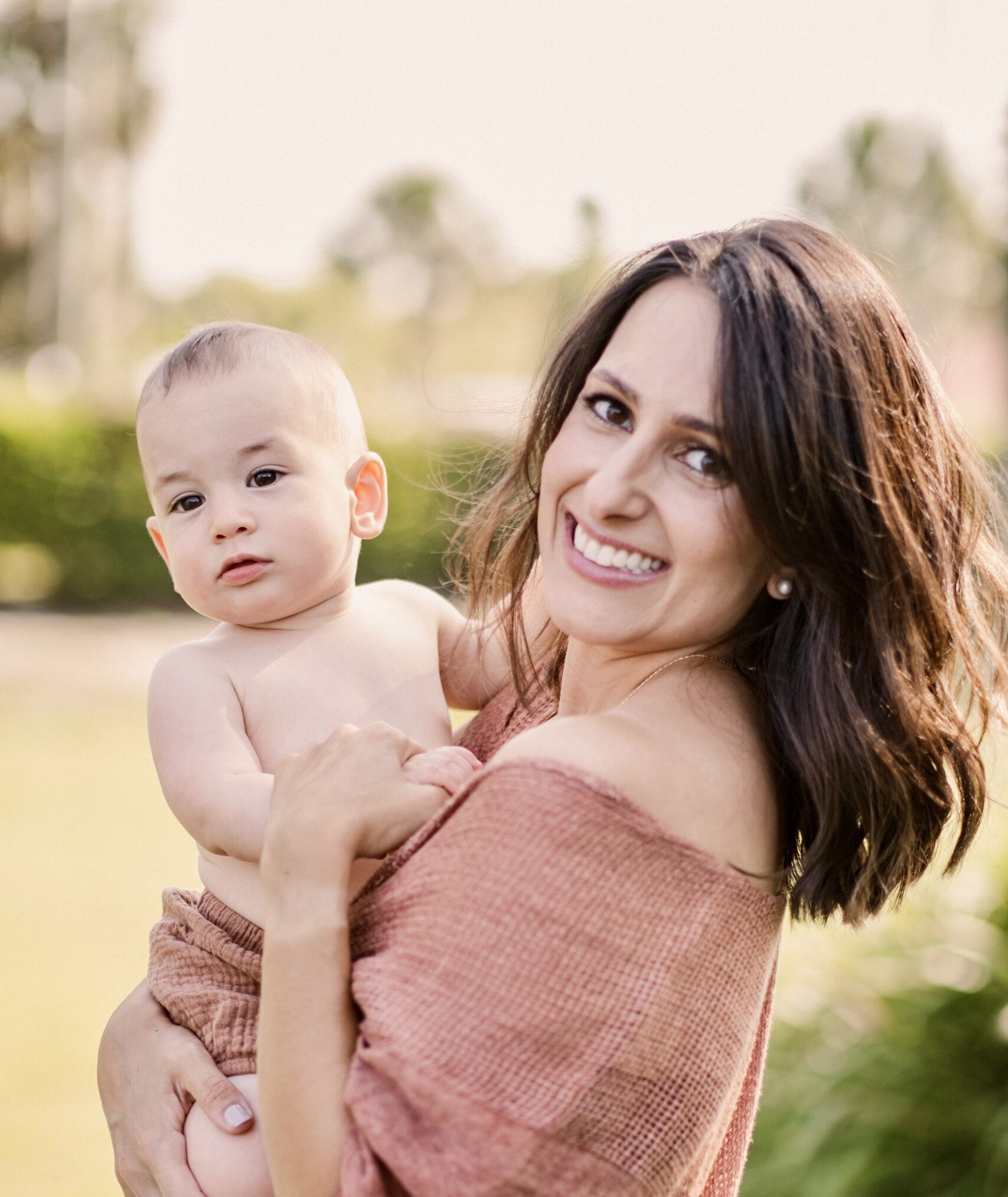
Mariana Yancik is a pediatric sleep consultant, newborn care specialist, and mom. She supports families using gentle, evidence based sleep strategies that honor emotional development, connection, and real life parenting.
Feldman, R. (2024). Parent infant synchrony and emotional regulation. Developmental Psychology.
Mindell, J. A. et al. (2025). Daytime interaction and infant sleep outcomes. Sleep Health.